





Faculty of Engineering and Architecture (FEA) is a university division blending creative design with technical science, focusing on designing, building, and maintaining the built environment, from structures and systems to urban spaces, training future professionals in fields like civil, electrical, chemical engineering, and architecture to solve real-world problems creatively and ethically, often through hands-on projects and interdisciplinary study.
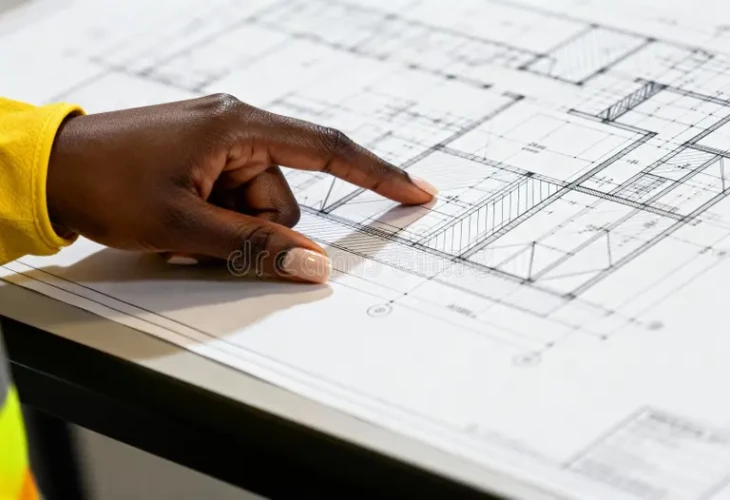
Core Focus
Design & Functionality: Balancing aesthetics, human needs, and practical functionality in buildings and infrastructure.
Technical Expertise: Applying scientific principles (structural, mechanical, electrical) to create safe, sustainable, and efficient environments.
Problem-Solving: Developing innovative solutions for complex challenges in construction, urban planning, and technology.
Key Disciplines & Majors (Examples)
Engineering: Civil, Electrical, Computer, Chemical, Mechanical, Petroleum Engineering.
Architecture: Architectural Design, Interior Design, Urban Planning.
What You Learn
Theoretical Knowledge: Core engineering principles, design theory, building sciences.
Practical Skills: 3D modeling, drawing, design software, laboratory work.
Interdisciplinary Approach: Collaboration between design and technical fields, often involving various engineering specializations.
Career Paths
Graduates become architects, design engineers, construction managers, urban planners, building systems specialists, and more, working across diverse sectors like construction, energy, and technology.
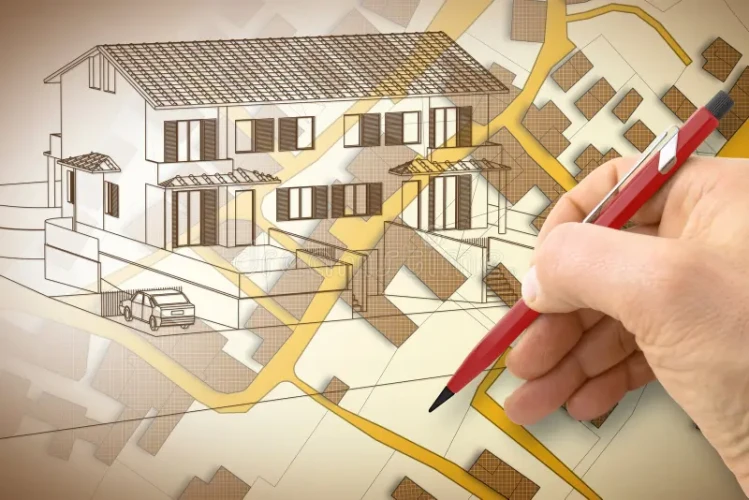
Engineering Specializations
Engineering disciplines cover various fields, including core areas and interdisciplinary specializations.
Aerospace Engineering: Focuses on the design and construction of aircraft and spacecraft.
Biomedical Engineering: Applies engineering principles to medical and biological systems, including device design and health systems.
Chemical Engineering: Deals with the design of processes for producing, transforming, and transporting materials, often involving chemical processes at an industrial level.
Civil Engineering: Focuses on the design, construction, and maintenance of the built environment, such as roads, bridges, and water systems.
Specialized areas include: Structural engineering, construction engineering and management, geotechnical engineering, environmental engineering, transportation engineering, and water resources engineering.
Computer Engineering: Integrates computer science and electrical engineering to develop computer hardware and software.
Electrical Engineering: Focuses on the study and application of electricity, electronics, and electromagnetism, with specializations in power systems, communications, and control systems.
Industrial Engineering: Concerned with the optimization of complex processes, systems, or organizations, focusing on efficiency and quality control.
Mechanical Engineering: Deals with the design, analysis, manufacturing, and maintenance of mechanical systems, from large machinery to heating and cooling systems.
Mechatronics Engineering: An interdisciplinary field combining mechanical, electrical, telecommunications, control, and computer engineering.
Software Engineering: The application of engineering principles to software development.
Architecture and Architectural Engineering Specializations
Architecture and architectural engineering address the design, construction, and operation of buildings and urban environments.
Architectural Design: Focuses on the aesthetic, functional, and spatial design of buildings, often integrating historical and theoretical knowledge.
Architectural Engineering: Integrates engineering principles into the building design process, focusing on the various systems within a building.
Common specializations include: Structural systems, mechanical systems (HVAC), lighting and electrical systems, construction management, and building information modeling (BIM).
Building Science: The study of the physical phenomena affecting buildings, such as energy efficiency and indoor environments.
Interior Architecture/Design: Focuses on the design and utilization of indoor spaces, including furniture design and lighting.
Urban Design & Town Planning: Focuses on the larger scale, dealing with the interrelation between space, society, and the planning of cities and regions.